[Factory 101] #1 - Perpetual Motion & Scientific Verification
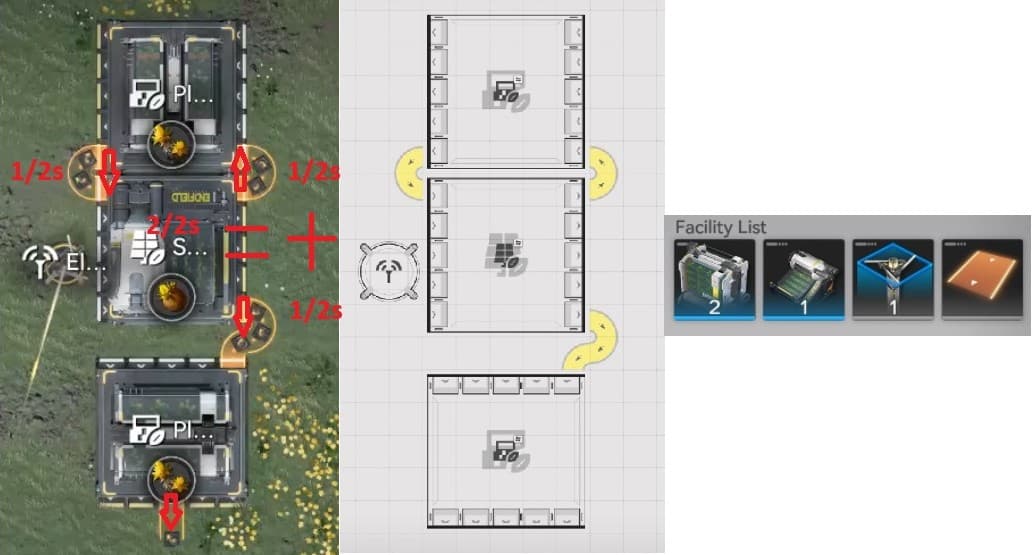
The magic of 1 buckwheat flower becoming 2 — but is it truly perpetual motion?
Perpetual Motion Grower
A blueprint producing 1 plant from nothing with no external inputs is a perpetual motion blueprint.
Other products need at least one input port — this blueprint needs none.
Free spatial placement without input routing makes it extremely important.
Main use: mass [Sandleaf] supply, also buckwheat and Aeton.
Place the blueprint (fold or adapt to space), then move 1 plant from inventory into the center facility.
The image uses vertical layout — fold and optimize for your space.
Perpetual Motion Principle
Center facility converts 1 plant into 2 seeds every 2 seconds.
Two output ports each output 1 seed per belt.
One belt feeds the top facility: 1 seed becomes 1 plant every 2 seconds, looping back to center input.
Bottom facility outputs 1 plant every 2 seconds the same way.
Zero timing drift — perpetual plant production.
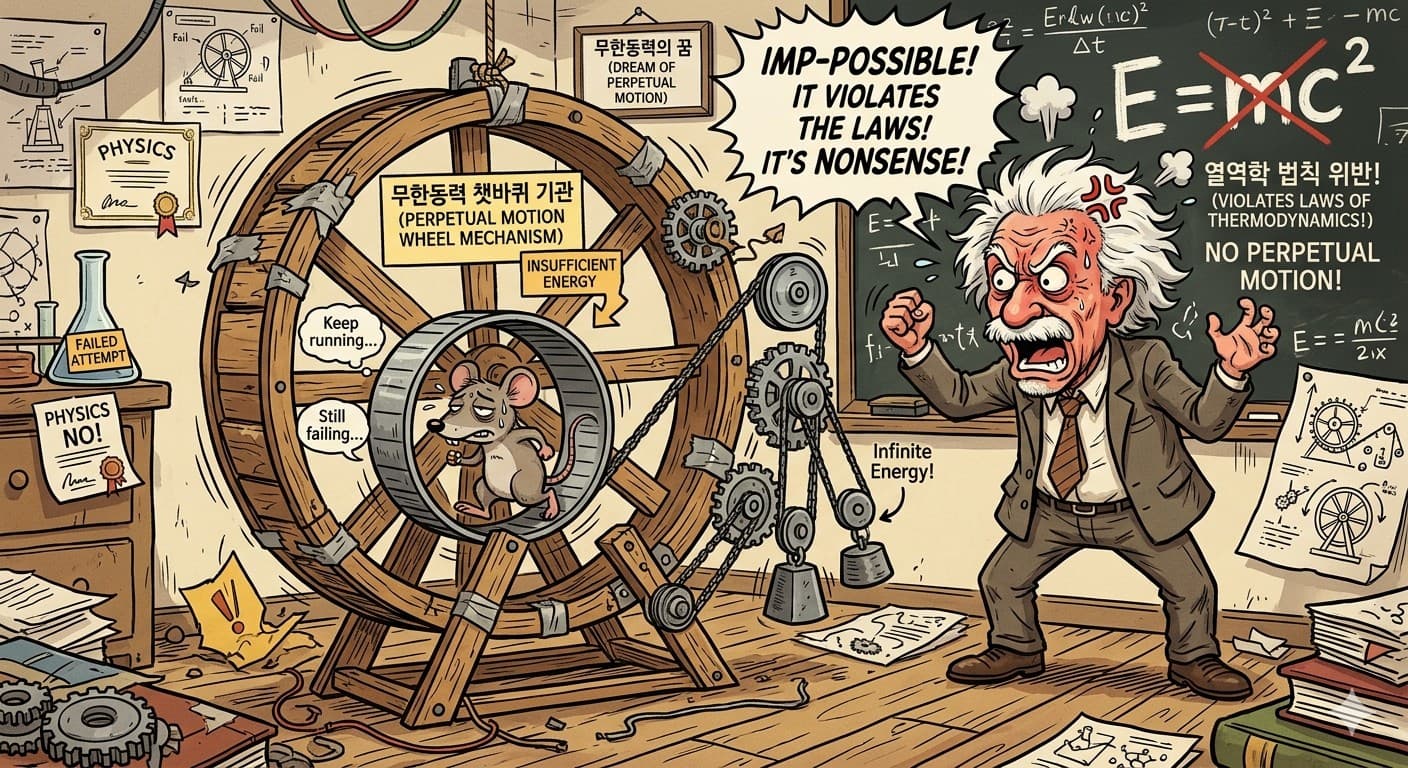
Is It Truly Perpetual Motion?
Creating something from nothing looks like perpetual motion.
But a power generator is attached — power is the hidden input.
It converts electricity into plants.
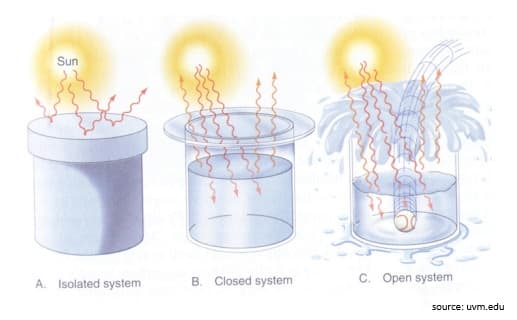
True perpetual motion needs self-sustaining energy in an isolated system with no external input.
This grower needs power — not isolated, and not violating thermodynamics.

Einstein's View
19th-century genius Einstein would likely reject perpetual motion.
He trusted thermodynamics as universal physics that would never be overturned.
Perpetual motion violates the first law (energy conservation) and cannot exist.
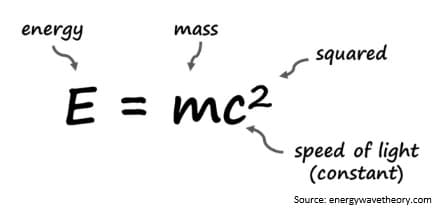
E=mc² means energy equals mass — perpetual motion would create infinite energy and mass from nothing.
To Einstein, perpetual motion was fantasy ignoring universal principles.

Genius Scientist Chen Qianyu's Dream
Not over yet.
The Endfield community discovered true perpetual motion needing zero power.
This comes very close — discoverer Chen Qianyu might deserve a Nobel Prize.
Strictly speaking, any simulation still consumes real-world electricity on your CPU — so even this is not true perpetual motion.